American Foundation for Training, Research, and Education Using Advanced Technologies

Empowering communities through accessible workforce training

A nonprofit providing affordable and accessible workforce training for careers in the life sciences, using Virtual Reality (VR) and immersive learning.

  • Completely free
  • $1,500 stipend
  • Taught in VR
Massachusetts Life Sciences Center Pathmaker, a MassTalent initiative

Our VR-BPT program is part of the MLSC-sponsored Pathmaker program in Biomanufacturing.

About us

A nonprofit removing barriers to life sciences careers

The American Foundation for Training, Research, and Education Using Advanced Technologies Inc. is a nonprofit organization dedicated to providing affordable and accessible workforce training for individuals seeking careers in the life sciences sector.

As a mission-driven nonprofit, we work to remove barriers to education and career advancement, focusing on underserved communities and individuals from diverse backgrounds. Our team of dedicated professionals and volunteers collaborates with industry leaders to provide high-quality training and career placement support.
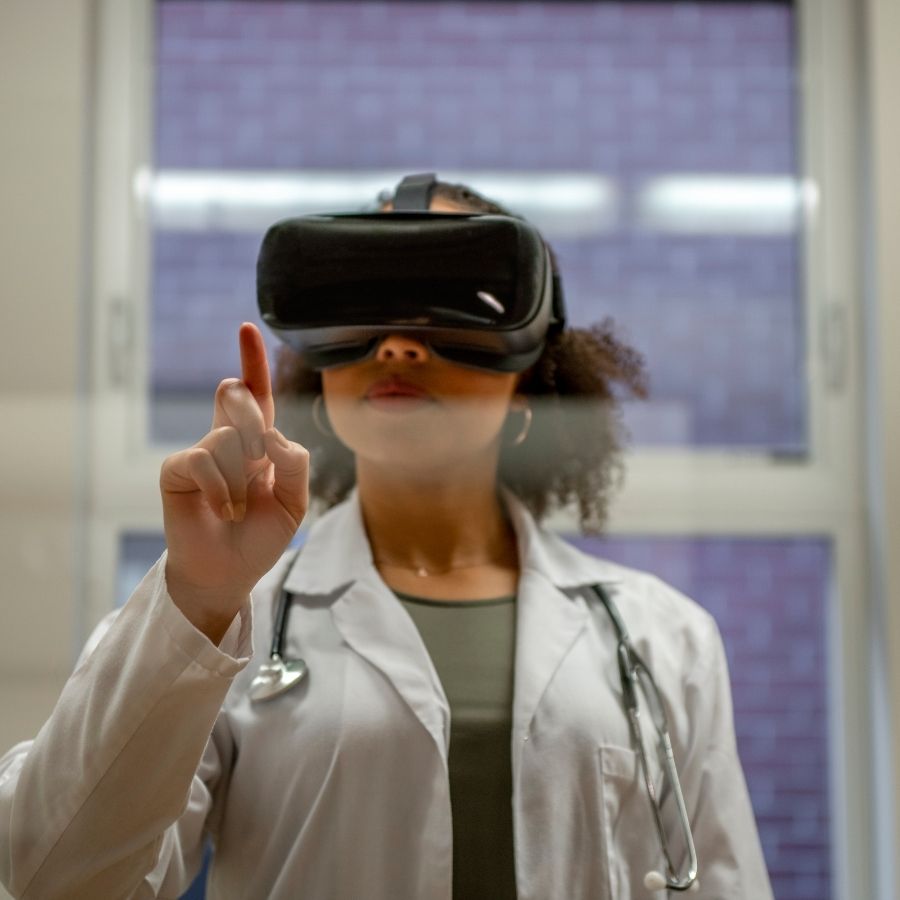
  • We leverage Virtual Reality (VR) technology and immersive learning solutions to equip individuals with industry-ready skills.
  • Skills in Biotech, Pharmaceutical Manufacturing, Quality Control (QC), Quality Assurance (QA), Research & Development, Lab Operations, and Clinical Operations.
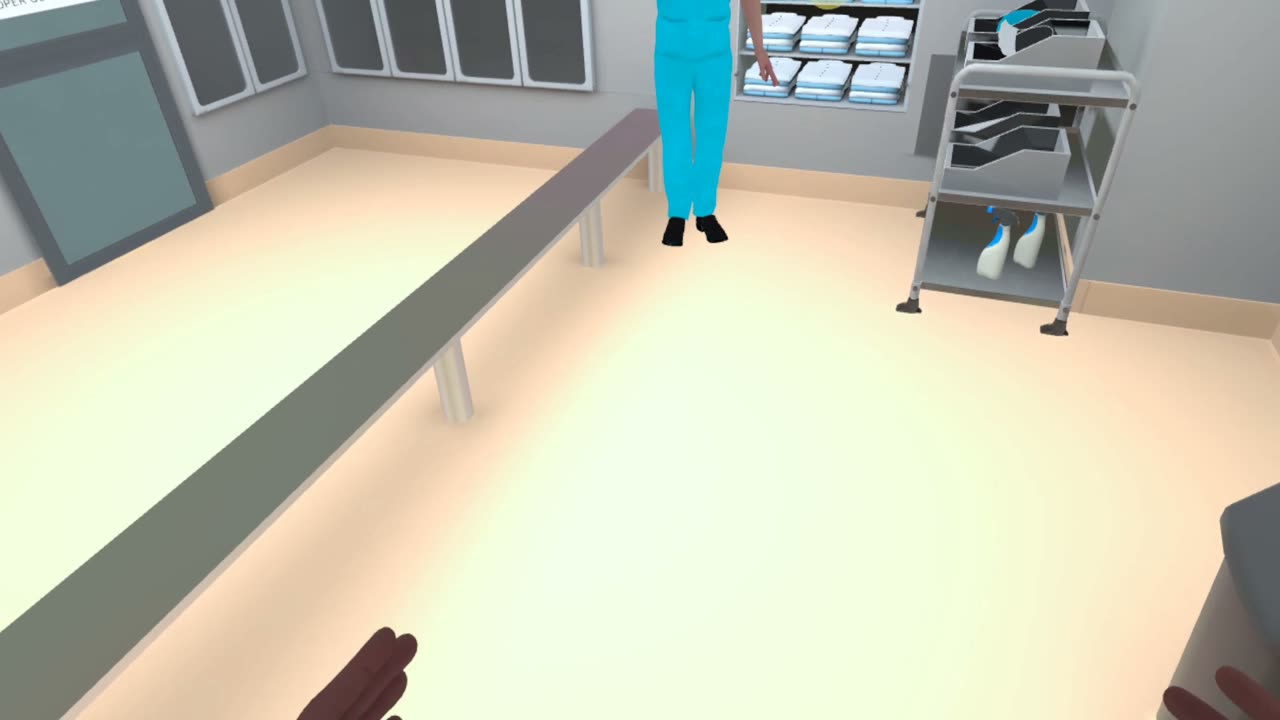
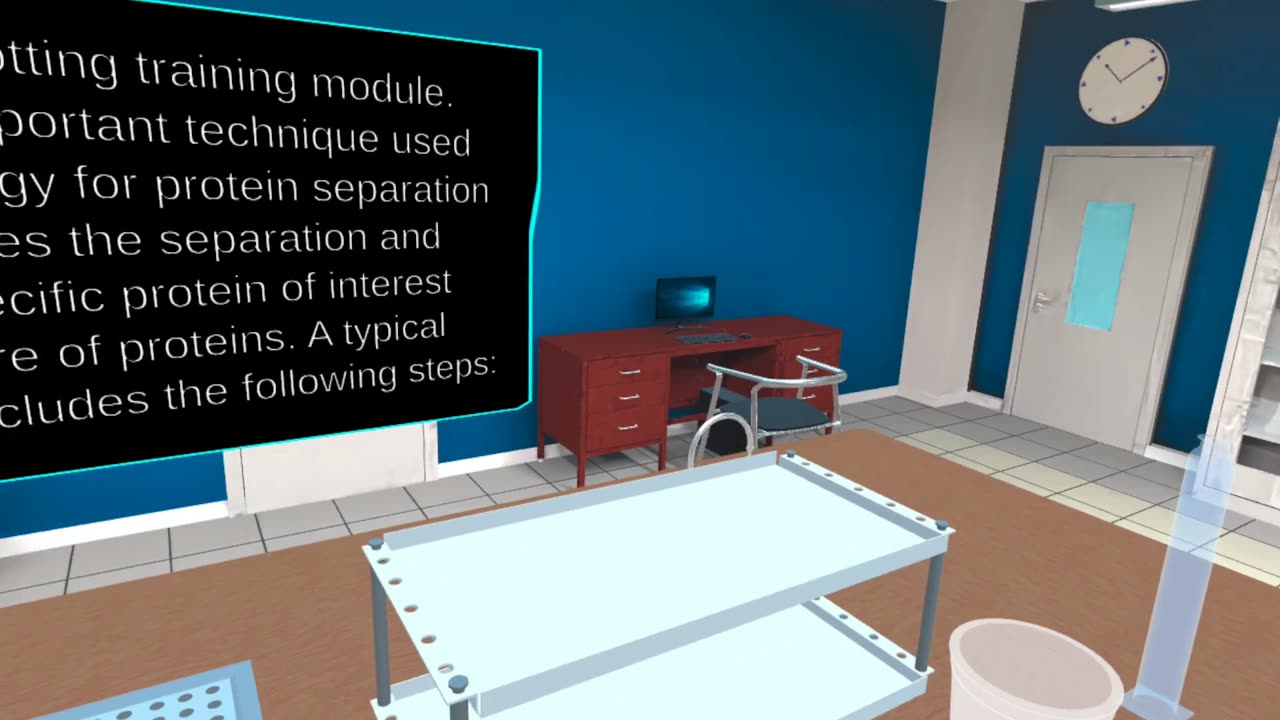
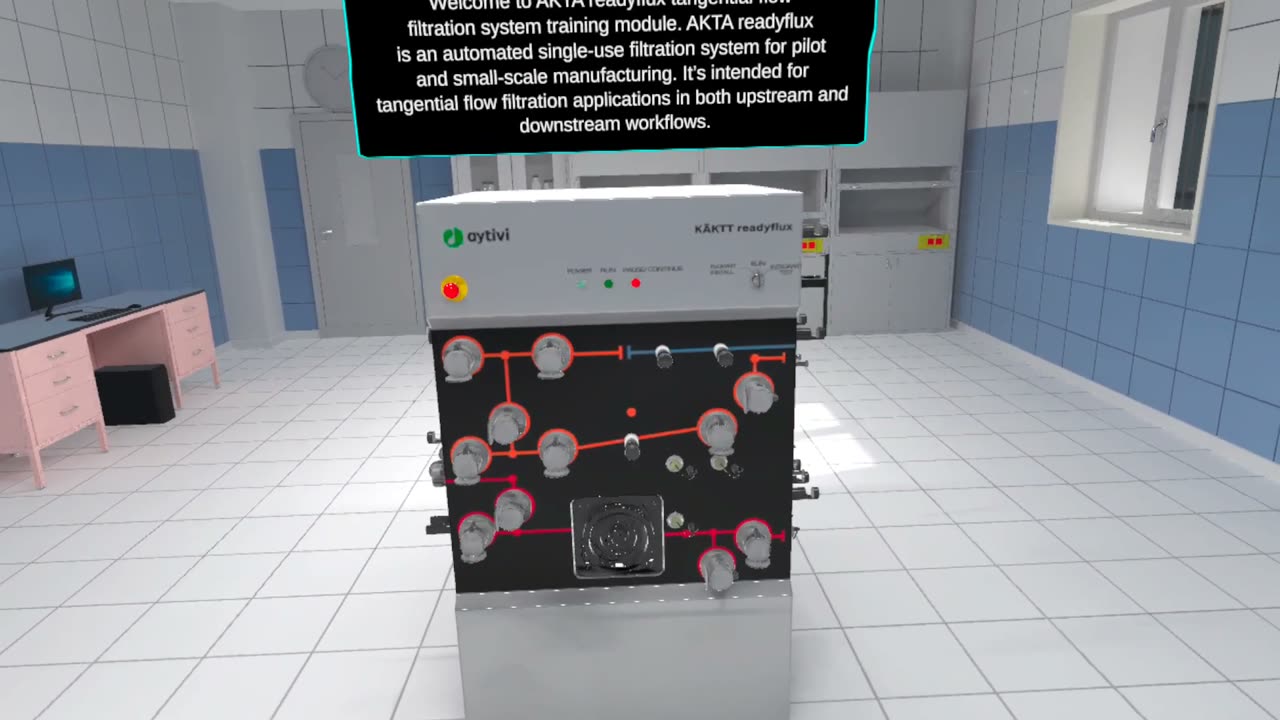
VR training scene: aseptic gowning room VR training scene: western blot module VR training scene: tangential flow filtration system
Pathmaker, a MassTalent initiative
Featured program

VR-Enabled Biomanufacturing Professional Training Program (VR-BPT)

Transform your passion for science into a rewarding career in Bio Manufacturing Operations. This program is completely free, and the entire curriculum is delivered through VR headsets.

  • FreeNo cost to participants
  • 8 sessionsFridays, Saturdays and Sundays
  • $1,500 stipendOn graduation, for your time and dedication
  • Aftreat VR LabHands-on lab training in Boxborough, MA
Our training programs

Industry-ready skills, learned in VR

Our VR-based biotech and pharmaceutical training program provides a cost-effective, flexible, and immersive learning experience for individuals of all backgrounds. Our curriculum includes:

GMP & Regulatory Compliance

Aseptic Techniques & Gowning

Bioprocessing & Biomanufacturing

Chromatography & Separation Technologies

Molecular Biology & PCR Techniques

SDS-PAGE & Western Blot for Protein Analysis

Quality Assurance & Batch Record Review

Browse the VR training library

See all courses
Why choose us?

Training built around access, industry and careers

  • Nonprofit Commitment to Accessibility

    Our goal is to make high-quality biotech training available to all, regardless of financial status.

  • Industry-Aligned Curriculum

    Developed with input from leading biotech and pharma companies to ensure real-world relevance.

  • Hands-On & VR Training

    A blend of cutting-edge VR simulations and lab-based training for practical skill development.

  • Career Readiness & Placement Support

    Free job interview coaching, AI-driven mock interviews, and direct employer engagement.

  • Diversity & Inclusion Focus

    Dedicated to supporting underserved communities, women, and individuals from underrepresented backgrounds in STEM.

Supporting workforce development

Support beyond the classroom

We are dedicated to creating equitable access to life sciences careers through various initiatives that provide hands-on experiences, industry exposure, and career support.

VR Headset Library

Providing free remote learning resources for those without access to training facilities.

Community Outreach

Partnering with colleges, career centers, and nonprofits to reach those in need.

Company Tours & Networking

Giving trainees firsthand exposure to real-world biotech environments.

Resume & Interview Workshops

Preparing participants for successful job applications.

Scholarships & Financial Aid

Ensuring financial barriers do not prevent participation.

See what the VR-BPT program includes

View the program
  • Scholarships
  • Mentorship
  • Career Counseling
  • Job Shadowing
  • Lab Experience
Our collaborations & partnerships

Built with industry, education and workforce partners

As a nonprofit, we rely on strong collaborations with industry leaders, educational institutions, and workforce development organizations to enhance training opportunities.

  • Catalent
  • Moderna
  • Cancer Appy
  • ADCGEN
  • Repligen
  • Thermo Fisher
  • and more
Why VR works

VR training effectiveness over traditional training

Explore the VR training library
70%

Greater efficiency in movement and measurements

80%

Improvement in user learning retention

4x

Greater engagement in training

83%

Documented user improvement in time-on-task

2.75x

More confidence in taking action on what they learned

4x

Faster training vs. traditional classroom training

Patient advocacy

Standing with patients and families facing rare diseases, neurological conditions and cancer

Alongside workforce training, AFTREAT is dedicated to patient advocacy and education. Here are the facts that shape our work, and trusted places where patients and caregivers can find help today.

Rare diseases

1 in 10Americans live with a rare disease: more than 30 million people, and about half are children.

  • In the U.S., a disease is rare when it affects fewer than 200,000 people.
  • More than 10,000 rare diseases are known.
  • Most do not have approved treatments.

Source: U.S. Food and Drug Administration

Neurological conditions

1 in 3people worldwide live with a neurological condition: more than 3 billion people in 2021.

  • Neurological conditions are now the leading cause of ill health and disability worldwide.
  • An estimated 7.4 million Americans age 65 and older are living with Alzheimer's in 2026.
  • Nearly 13 million Americans provide unpaid care for people with Alzheimer's or other dementias.

Sources: World Health Organization, Alzheimer's Association, 2026 Facts and Figures

Cancer

2.1 millionnew cancer cases are projected in the U.S. in 2026, with 626,140 cancer deaths.

  • The cancer death rate has dropped 34% from its 1991 peak, averting about 4.8 million deaths.
  • Rare cancers each affect fewer than 40,000 people a year in the U.S., yet together they make up just over a quarter of all cancers.

Sources: American Cancer Society, Cancer Facts & Figures 2026, National Cancer Institute

How AFTREAT supports patients and families

Raise awareness

Sharing the facts about rare diseases, neurological conditions and cancer, and marking the awareness days that bring patient communities together.

Connect to trusted help

Pointing patients and caregivers to free, reliable information and support from national organizations.

Train the people who serve patients

Our VR-based programs prepare people for careers in biomanufacturing, quality and clinical operations: the work that brings treatments to patients.

Trusted help for patients and families

Free information and support from national organizations. AFTREAT is not affiliated with these organizations.

Rare diseases

National Organization for Rare Disorders (NORD)

A Rare Disease Database with reports on more than 1,400 rare diseases, and RareCare® patient assistance programs, including help with access to medication and co-pay and premium assistance.

rarediseases.org
Rare diseases

Genetic and Rare Diseases Information Center (GARD), NIH

Free, plain-language information on rare diseases. Its information specialists can help you find resources, disease experts and clinical studies.

  • Ask a GARD specialist onlineReplies take 2 to 10 business days
rarediseases.info.nih.gov
Neurology

National Institute of Neurological Disorders and Stroke (NINDS), NIH

Part of the National Institutes of Health. Health information on neurological disorders, and research on the brain and nervous system.

ninds.nih.gov
Neurology

Alzheimer's Association 24/7 Helpline

A free helpline for people living with Alzheimer's or other dementias and their caregivers, with help in more than 200 languages.

alz.org
Cancer

National Cancer Institute, Cancer Information Service

Answers to questions about cancer by phone, LiveHelp online chat or email (NCIinfo@nih.gov).

cancer.gov
Cancer

American Cancer Society

A cancer helpline by phone, any time of day or night, plus live chat on weekdays from 7:00 am to 6:30 pm CT.

cancer.org
Know your rights

Considering a clinical trial?

Clinical trials are research studies that test how well new medical approaches work in people. Talk with your doctor about whether a trial is right for you.

ClinicalTrials.gov is run by the U.S. National Library of Medicine at the NIH and lists publicly and privately funded studies from around the world.

  • Informed consent. Before you decide, the research team explains the trial to you: its purpose, procedures, risks and benefits.
  • You can leave at any time. Even after you sign the consent form, you can leave the study at any time.
  • Independent review. Institutional Review Boards review trial protocols before trials can accept patients, and can change or stop a trial to protect the people enrolled.
  • Safety monitoring. A data and safety monitoring board can stop a trial early if safety concerns come up.

Source: National Cancer Institute

Awareness calendar

  1. February 4World Cancer DayUnion for International Cancer Control
  2. Last day of FebruaryRare Disease DayFebruary 28, or 29 in leap years
  3. JuneAlzheimer's & Brain Awareness MonthAlzheimer's Association
  4. July 22World Brain DayWorld Federation of Neurology
  5. SeptemberChildhood Cancer Awareness MonthObserved across the U.S.

This information is for education only and is not medical advice. Talk with your doctor or care team about your health. In an emergency, call 911. Figures were last checked in October 2026.

Get involved

Join our mission

Join our mission to empower individuals through education and workforce training. You can help by:

Join us in making a difference

Together, we can transform lives through education and workforce empowerment.